

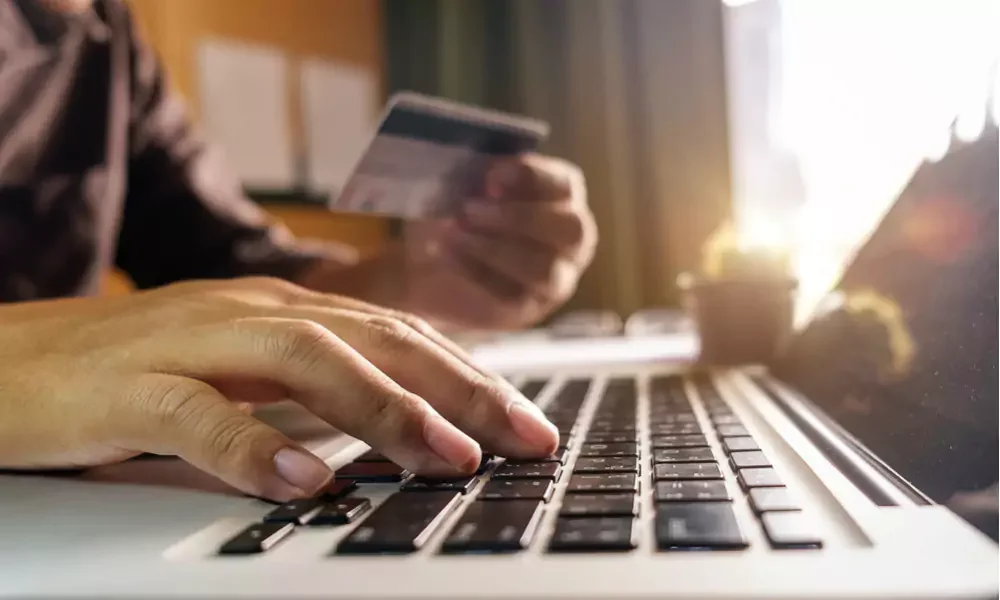
Online shopping has changed greatly in recent years, and payment technology is an important part of this change. When customers reach the checkout page, they expect the payment process to be quick, safe, and simple. Payment gateway APIs help make this possible by connecting online stores with banks and payment networks.
To keep online transactions moving smoothly, modern payment gateways process incoming card and wallet details within seconds, establishing a secure link between customer accounts and merchant banks. By handling complex validation, tokenization, and authorization in the background, these systems ensure that transactions remain protected against security threats while maintaining a frictionless checkout experience.
A payment gateway bridges a customer, a merchant, and a financial institution. When a customer makes a payment, the gateway securely sends the payment information for approval and quickly returns the result. The API lets developers connect this system to websites, mobile apps, and online platforms without building the entire payment system themselves.
One major development in 2026 is the growing use of digital wallets. Customers increasingly prefer wallets and instant payment options because they do not need to enter long card details. Payment APIs allow businesses to offer different payment methods based on the customer’s location, device, and preferences. This can make checkout faster and may reduce the number of customers who leave without completing their purchases.
Security is another major area of development. Online fraud continues to be a serious concern for e-commerce businesses. Modern payment APIs are using artificial intelligence and machine learning to identify unusual transactions. These systems can examine factors such as device information, location, transaction patterns, and previous activity. This helps businesses detect suspicious payments while reducing the chances of genuine customers being wrongly rejected.
Payment technology is also becoming more integrated into everyday digital services. Instead of sending customers to a separate payment page, businesses can allow payments to happen directly inside their websites and applications. This is known as embedded finance. It is commonly used in areas such as food delivery, transport services, online marketplaces, and subscription platforms. By reducing extra steps, businesses can create a smoother customer experience.
Real-time payments and open banking are also changing how businesses receive money. Traditional card payments can take time to settle, while account-to-account payment systems can provide faster confirmation and access to funds. Faster settlement can improve cash flow and give businesses more flexibility when managing inventory and daily expenses.
Another important development is smart payment routing. Modern APIs can select different payment processors based on factors such as location, card type, and transaction history. This can improve the chances of successful payments and reduce failed transactions.
Payment APIs are also making international e-commerce easier for smaller businesses. Companies can accept payments from customers in different countries while supporting local currencies and payment methods. This reduces some of the technical difficulties involved in selling internationally.
Finally, stronger security standards are encouraging businesses to improve their handling of payment information. Modern APIs provide tools that support encryption, authentication, monitoring, and other security measures.
Overall, payment gateway APIs are becoming much more than simple payment tools. They now influence security, customer experience, international sales, cash flow, and payment success. As e-commerce continues to grow, flexible and secure payment technology will remain an important part of online business.
