


Knowledge and practice are complementary when investing. Simulated trading, in this environment, is a vital tool for refining investment techniques. By using virtual funds, simulated trading offers a risk-free setting for evaluating financial concepts and learning crucial lessons about how the market behaves. With this, explore the world of simulated trading and learn its advantages, tactics, and best practices to assist investors in realising the full potential of this investment vehicle.
Understanding Simulated Trading
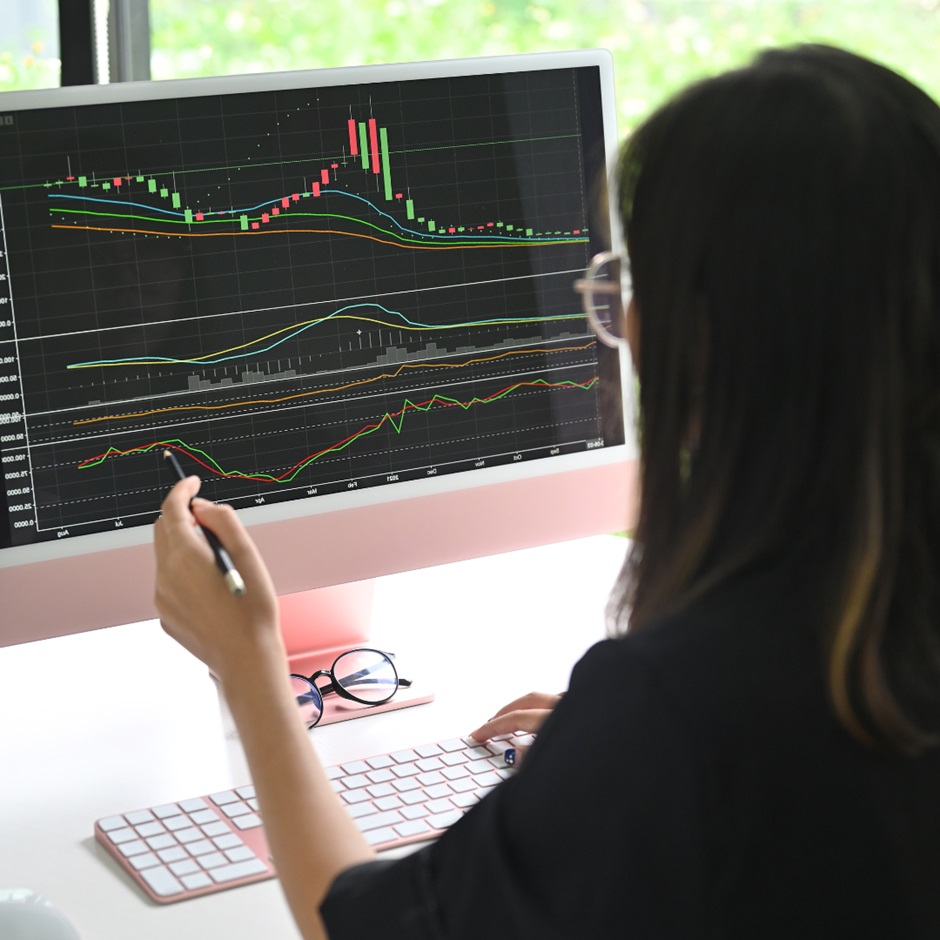
Paper trading, commonly known as virtual trading or simulated trading, mimics real-market conditions without putting actual money at risk. Using virtual money, investors utilise simulated trading systems to make trades, monitor performance, and improve their investment strategy. These systems imitate real-time market data and trading interfaces, providing investors with an authentic setting to practise and gain knowledge.
The Benefits of Simulated Trading
1. Risk-Free Learning: Simulated trading allows investors to experiment with various strategies and asset classes without losing real money. It provides a safe space to learn from mistakes and refine approaches, fostering confidence and expertise.
2. Realistic Market Experience: With simulated trading, investors experience the highs and lows of the market in real time, gaining insights into price movements, volatility, and trading psychology. This hands-on experience is invaluable for developing a deeper understanding of market dynamics.
3. Strategy Testing and Optimisation: Simulated trading enables investors to test new investment ideas and refine existing strategies in a controlled environment. By analysing performance metrics and adjusting parameters, investors can optimise their approaches for better results in live trading.
4. Diversification Exploration: Investors can use portfolio simulations with different asset allocations and risk profiles to investigate diversification methods. By using simulated trading, one can test out various combinations of stocks, bonds, commodities, and other assets to determine how they affect the performance of a portfolio.
ALSO READ: Why Emotional Support is Important for Traders
Strategies for Effective Simulated Trading
1. Set Clear Objectives: Establish clear goals and objectives before starting a simulated trading session. Having a clear goal directs your efforts and speeds up the learning process, whether you’re testing a new trading technique, investigating different asset classes, or honing your execution skills.
2. Use Realistic Parameters: Mimic real-market conditions as closely as possible when setting parameters for simulated trades. Consider factors such as transaction costs, slippage, and liquidity constraints to ensure your simulations’ accuracy and the results’ validity.
3. Maintain Discipline and Patience: Treat simulated trading with the same discipline and patience as live trading. Adhere to predefined risk management rules, avoid impulsive decisions, and allow sufficient time to evaluate the effectiveness of your strategies.
4. Track and Analyse Performance: Keep meticulous records of your simulated trades and regularly analyse performance metrics. Identify strengths, weaknesses, and areas for improvement, and use data-driven insights to refine your trading approach iteratively.
Best Practices for Maximising Simulated Trading Effectiveness
1. Experiment with Different Strategies: Use simulated trading to investigate various investment approaches, such as value investing and trend following. By experimenting with different methods, you can determine which tactics best suit your objectives and risk tolerance.
2. Gradually Increase Complexity: Start with simple trading strategies and gradually introduce complexity as you gain experience. Experiment with advanced techniques such as options trading or algorithmic strategies, but ensure a solid understanding before implementation.
3. Embrace Continuous Learning: Stay updated on market trends, economic indicators, and industry developments to refine your investment thesis and adapt to changing conditions. Engage with educational resources, participate in forums, and seek mentorship to enhance your trading skills continuously.
4. Simulate Realistic Scenarios: Simulate scenarios that reflect real-world conditions, including bull markets, bear markets, and periods of heightened volatility. By exposing yourself to different market environments, you can better prepare for various eventualities in live trading.
Conclusion
An effective way for investors to test and improve their ideas in a risk-free setting is through simulated trading. Investors can enhance their trading techniques, obtain practical insights into market behaviour, and eventually improve their investment success by utilising virtual funds and realistic market simulations. Investors can get the most out of simulated trading as a tool for understanding the intricacies of the financial markets by following best practices and exercising discipline.
Contact MPFunds to take your investment skills to the next level.
