


Defining Specialized Career Training and Its Impact
The world of work is changing rapidly. New industries and technologies constantly create a need for fresh skills. This often leaves a gap between available jobs and the talent ready to fill them. Specialized career training offers a powerful solution to this challenge.
We believe this type of training is key to boosting economic growth and preparing individuals for successful careers. It focuses on teaching the exact skills employers need today.
In this extensive guide, we will explore the true value of specialized career training. We will define what it is and how it differs from general education. We will also look at who benefits from these programs, from high school students to veterans and individuals with disabilities. Finally, we will highlight specific training examples, their costs, durations, and the career paths they open. Our goal is to show how this education helps people move from the classroom into impactful industry roles.
Specialized career training is a focused educational approach designed to equip individuals with specific, in-demand skills for a particular job or industry. Unlike broad academic or vocational education, specialized training targets a narrow set of competencies directly applicable to a professional role. This targeted instruction bridges the gap between theoretical knowledge and practical application, ensuring graduates are job-ready upon completion. It’s about providing the precise skills that employers are actively seeking, enhancing economic productivity and individual career readiness.
When we consider the broader landscape of education, vocational education and training plays a crucial role in developing practical skills. Specialized training takes this a step further by offering highly concentrated programs that often lead to industry-recognized certifications. For instance, while a general vocational program might cover broad aspects of mechanics, a specialized program would focus intently on, say, aircraft maintenance protocols for specific types of aircraft, or the operation of advanced CNC machinery. This direct industry alignment is a hallmark of specialized training, making it inherently competency-based.
The Difference Between General and Specialized Career Training
The fundamental distinction lies in curriculum focus and practical application. General vocational education often provides a broader overview of a trade, preparing individuals for various entry-level positions within a sector. Academic education, on the other hand, emphasizes theoretical knowledge, critical thinking, and a wide range of subjects, typically leading to a degree that can open doors to diverse fields or further advanced study.
Specialized career training, however, is laser-focused. Its curriculum is meticulously designed to teach the exact skills needed for a specific job function. For example, a program might concentrate solely on the intricate details of specialized EASA career training, ensuring compliance with European Union Aviation Safety Agency regulations. This level of specificity means less time spent on general education requirements and more on hands-on, practical application. Certification pathways are often embedded directly into the program, leading to industry-recognized credentials that validate a person’s expertise. Furthermore, specialized training often adheres to strict regulatory compliance, which is critical in fields like aviation where safety standards are paramount. This focused approach also influences the demand for skilled professionals who can develop such targeted curricula, especially in aviation maintenance, technical instruction, and other safety-sensitive roles.
Core Components of Effective Training Programs
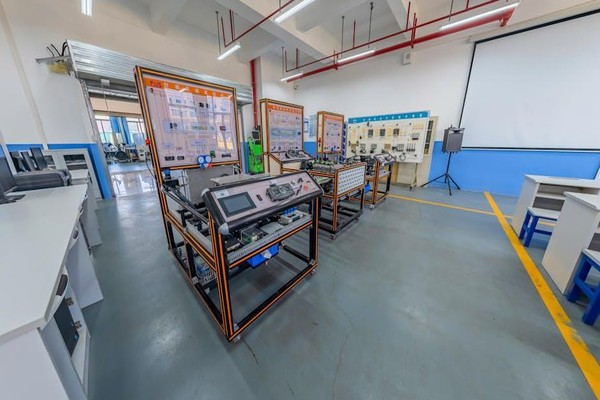
Effective specialized training programs share several key components that contribute to their success. Firstly, they prioritize extensive hands-on experience, often utilizing state-of-the-art equipment and real-world scenarios. This ensures that trainees not only understand concepts but can also perform tasks proficiently. Secondly, these programs are deeply rooted in real-world applications, simulating actual work environments and challenges. This might involve apprenticeships, internships, or project-based learning that mirrors industry demands.
Perhaps most importantly, strong industry partnerships are central to specialized training. These collaborations ensure that curricula remain current with evolving industry needs and technologies. For example, some providers develop customized training curricula directly with employers, offering tailor-made programs for their workforce. Such partnerships often lead to direct hiring pipelines, where companies actively recruit graduates from these programs, confident in their readiness for the job. This symbiotic relationship between training providers and employers is what makes specialized career training so effective in addressing workforce demands.
Key Industries Driving the Demand for Specialized Skills
The modern economy is increasingly driven by specialized expertise across numerous sectors. From maintaining complex aircraft to installing renewable energy systems and operating sophisticated heavy machinery, specific skills are in high demand. These industries require a workforce that is not only proficient but also certified in specialized areas, creating a robust ecosystem for targeted training programs. Many institutions offer a wide array of career training programs to meet this demand.
Specialized Career Training in Aviation and Technical Fields
The aviation sector, in particular, exemplifies the critical need for specialized training. Maintaining aircraft requires adherence to stringent safety standards and complex maintenance protocols. Aviation technicians must be intimately familiar with various aircraft platforms, from commercial jets to specialized helicopters. Specialized instructors and subject matter experts play a vital role in imparting the nuanced skills required for helicopter maintenance, ensuring safety and operational readiness. These programs often involve detailed instruction on specific aircraft models, advanced diagnostic tools, and regulatory compliance.
Beyond aviation, other technical fields also rely heavily on specialized training. The construction and industrial sectors, for instance, demand highly skilled operators for heavy machinery and cranes. Programs in crane operation, OSHA rigging and signalperson certification, heavy equipment training, and CDL truck driver training provide crucial credentials for roles involving heavy equipment, ensuring safety and efficiency on job sites. These programs combine classroom instruction with extensive practical experience, often using actual equipment to prepare trainees for real-world scenarios.
Emerging Opportunities in Healthcare and Infrastructure
The healthcare industry is another significant driver of specialized training, with a constant need for skilled professionals in roles such as medical assisting, phlebotomy, and EKG technicians. These programs often include vouchers for industry-recognized certifications, allowing graduates to quickly enter the workforce.
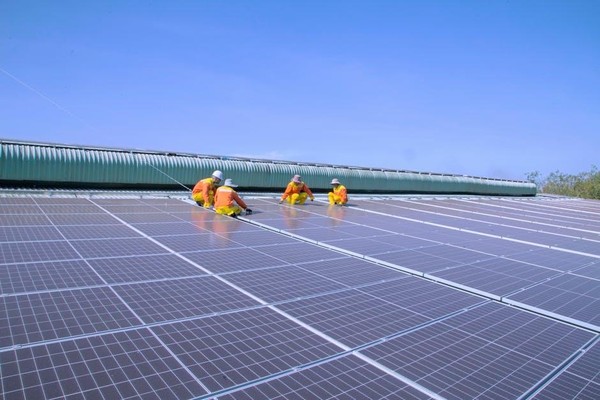
In infrastructure, the push towards renewable energy has created a burgeoning demand for solar technicians. Programs focus on utility-scale energy projects, covering everything from installation to maintenance of advanced solar systems. Many of these roles offer competitive wages and rapid advancement, as highlighted by institutions that prepare individuals for high-paying careers in solar energy. Similarly, the transportation sector requires specialized CDL (Commercial Driver’s License) training to ensure a steady supply of qualified truck drivers, essential for supply chains.
The breadth of specialized training extends even to fields like personal care, where programs in specialized beauty career training equip individuals with the precise skills needed for cosmetology, esthetics, and other beauty industry roles, demonstrating the diverse applications of focused vocational education.
Supporting Diverse Populations Through Tailored Programs
Specialized career training is not a one-size-fits-all solution; its strength lies in its adaptability to serve diverse populations with unique needs and backgrounds. From individuals with disabilities seeking competitive employment to veterans transitioning to civilian careers and high school students exploring early entry into the workforce, tailored programs ensure that everyone has an opportunity to develop valuable skills.
Specialized Career Training for Students with Disabilities
One of the most impactful applications of specialized career training is its ability to support students with cognitive or learning disabilities. Programs like the “Specialized Career Instruction-Comprehensive” at Lively Technical College and Fort Myers Technical College are specifically designed to provide modifications and individualized support. These programs utilize an Individualized Plan of Study (IPS), which customizes instruction based on each student’s needs, drawing from various Career and Technical Education (CTE) standards.
The goal is to prepare students for integrated competitive employment by focusing on competency-based instruction. This means students master specific skills at their own pace, rather than adhering to a rigid academic timeline. These programs, often structured around a 900-hour curriculum, integrate academic, technical, and problem-solving skills, alongside crucial soft skills like self-advocacy and workplace communication. They are a testament to the idea that with the right support, individuals with disabilities can achieve meaningful and competitive careers.
Transitioning Veterans and High School Graduates
Specialized training also plays a crucial role in facilitating transitions for veterans and high school students into the workforce. For veterans, programs like SkillsBridge pathways and those approved for GI Bill benefits offer a direct route to civilian careers, leveraging their discipline and existing skills. Many trade schools actively recruit veterans, recognizing their valuable contributions to industries like solar energy and heavy equipment operation.
High school students represent another significant target audience. With approximately 30% of high school students going directly into the workforce, many without a clear career path or plan, specialized training provides vital guidance. Workforce development initiatives are increasingly connecting high school students to entry-level jobs through pipelines that offer career exploration, internships, and certifications. Organizations that facilitate professional training and internship programs can also provide valuable exposure for young professionals. These initiatives aim to provide students with the skills and certifications needed to secure promising entry-level positions, preventing them from entering the workforce unprepared.
The Role of Workforce Development and State Initiatives
Workforce development initiatives and state agencies are pivotal in fostering a skilled labor force, ensuring that specialized career training programs are accessible and aligned with economic needs. These entities provide crucial support, funding, and oversight, connecting individuals to training and employment opportunities.
State-Level Support and Funding Models
State agencies, such as the Texas Workforce Commission (TWC) and the Florida Department of Education, are at the forefront of supporting specialized career training. The TWC, for instance, offers a range of job training services, including Adult Education and Literacy (AEL) programs that combine foundational skills with workforce training, and Registered Apprenticeship Training Programs that allow individuals to earn while they learn a skilled trade. They also provide Vocational Rehabilitation Services for individuals with disabilities and support for seniors through programs like the Senior Community Service Employment Program (SCSEP). These initiatives are often administered under the Workforce Innovation and Opportunity Act (WIOA), which funds eligible training providers across the state.
Similarly, the Florida Department of Education’s Division of Career and Adult Education actively promotes workforce education. Florida colleges and district technical colleges have awarded over 500,000 workforce certificates and degrees since 2018, demonstrating a strong commitment to producing job-ready graduates. Initiatives like “Get There FL” connect student interests with career pathways, while “Apprentice Florida” promotes flexible and cost-effective apprenticeship models. These state-level efforts ensure that training is responsive to industry demands and that funding is available for diverse learners. International trainee and internship pathways also exist in the United States, further broadening the scope of specialized training opportunities. Furthermore, investing in the future of aviation maintenance is crucial, and scholarship programs can play a significant role in supporting aspiring technicians.
Industry Partnerships and Placement Success
The effectiveness of specialized career training programs is significantly amplified by strong industry partnerships and a focus on career outcomes. These collaborations ensure that curricula are employer-led, directly addressing the skills gaps identified by businesses. Many programs boast impressive placement rates, with some pilot programs achieving an 80% placement rate for their graduates.
These partnerships often involve real-world applications, such as on-the-job training (OJT), internships, and direct-hire agreements. Employers contribute by providing equipment, expertise, and even funding, creating a seamless transition from training to employment. Expert technical instructors often not only train but also help shape the curriculum to meet the precise needs of aviation companies and other employers. This direct link to industry ensures that participants gain not only technical skills but also an understanding of workplace culture and expectations. The high placement rates and career outcomes underscore the value of these programs in providing a direct path to employment and contributing to the global economic impact of skilled labor.
Frequently Asked Questions about Specialized Career Training
What are the primary benefits of specialized career training over a traditional degree?
Specialized career training offers several distinct advantages. It typically leads to direct industry entry, as programs are designed to meet immediate workforce needs. Compared to a traditional four-year degree, these programs are often lower in cost and have significantly faster completion times. They provide highly focused skill sets, ensuring graduates are proficient in specific job functions, which often translates to high placement rates and competitive entry-level salaries.
How long do most specialized training programs take to complete?
The duration of specialized training programs can vary widely depending on the complexity of the skills being taught and the industry. Some short-term certifications can be completed in as little as 40 hours. More comprehensive programs, such as a 15-week solar maintenance technician program or a 900-clock-hour specialized career instruction certificate, might take several months to approximately eight months. Flexible modular formats also exist, allowing individuals to progress at their own pace.
Are there financial aid options for these types of vocational programs?
Yes, numerous financial aid options are available for specialized career training. These include WIOA (Workforce Innovation and Opportunity Act) funding, which supports eligible training providers and individuals. Veterans can often utilize their GI Bill benefits. Many states offer specific grants and scholarships for vocational programs, and some employers provide sponsored training or tuition reimbursement for their employees. It’s always recommended to inquire with the specific training provider and local workforce development agencies about available financial assistance.
Conclusion
In an ever-evolving global economy, specialized career training stands out as a powerful catalyst for individual empowerment and economic resilience. It provides a direct, efficient, and highly effective pathway to career mobility, equipping individuals with the precise skills demanded by today’s industries. From fostering integrated competitive employment for students with disabilities to creating robust workforce pipelines for high school graduates and veterans, these programs demonstrate an unparalleled ability to adapt and deliver tangible results.
The unwavering support from state agencies and the integral role of industry partnerships ensure that specialized instruction remains relevant, accessible, and leads to high placement rates. As we look to the future, the value of investing in specialized career training will only continue to grow, shaping a skilled workforce ready to meet the challenges and seize the opportunities of tomorrow.
