

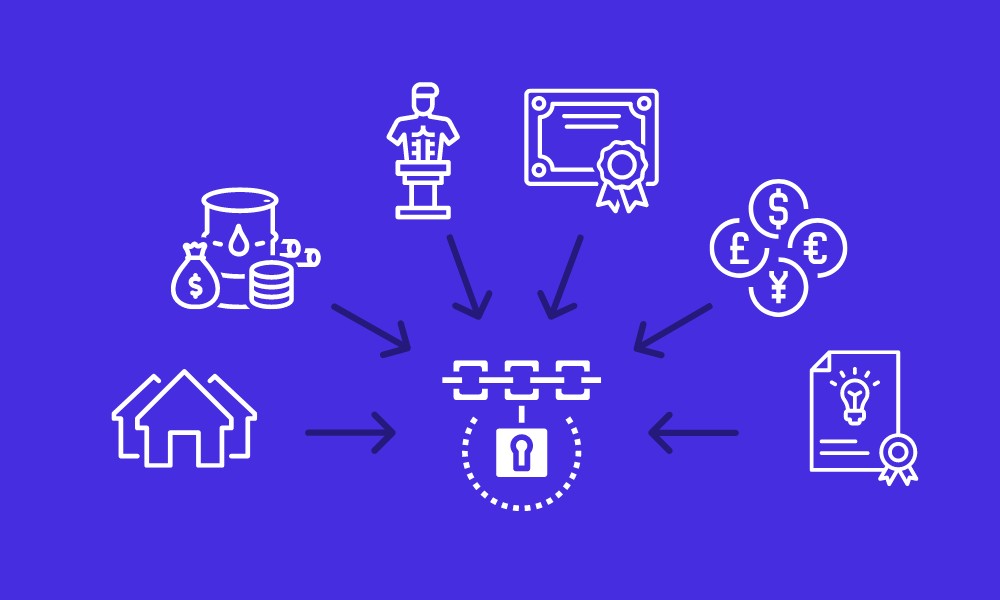
What started as an experiment in tokenising real estate is quickly evolving into something far bigger.
Today, tokenisation is no longer limited to buildings or property markets. It is expanding into commodities, financial instruments, energy infrastructure, and even intangible assets like data and intellectual property.
This is not just a new way to trade assets.
It is a fundamental shift in how assets are created, owned, and accessed.
What we are witnessing is the early formation of a new financial layer one where almost anything of value can be digitised, fractionalised, and made globally accessible.
For a broader perspective on how this shift is unfolding across industries, insights shared on platforms like CryptoInvestar continue to explore its real-world implications for investors and entrepreneurs.
What Tokenised Assets Really Represent
At a basic level, tokenisation involves converting real-world assets into digital tokens on a blockchain.
Each token represents ownership whether full or fractional and can be transferred or traded more efficiently than traditional ownership structures allow.
The key advantages are clear:
* Fractional ownership
* Increased liquidity
* Borderless access to investment opportunities
But the real impact goes deeper.
Tokenisation is not just improving markets it is redefining what can become a market in the first place.
The Evolution of Tokenised Assets
The expansion of tokenisation has followed a natural progression.
Phase 1: Real Estate as the Entry Point
Real estate was the starting point because it is:
* High-value
* Illiquid
* Structurally easy to define ownership
Phase 2: Financial Instruments
Tokenisation moved into:
* Bonds
* Treasury bills
* Private equity
This phase introduced institutional interest and legitimacy.
Phase 3: Commodities and Alternative Assets
The focus expanded to:
* Gold
* Oil
* Agricultural products
These are globally traded assets, making them ideal for tokenisation.
Phase 4: Intangible Assets
Now, attention is shifting toward:
* Intellectual property
* Data
* Digital rights
This represents the next frontier where ownership itself becomes programmable.
Real Estate: The Foundation Layer
Real estate remains the backbone of tokenisation.
Traditionally, property investment has required significant capital and has been limited by geography. Tokenisation removes these barriers.
Investors can now:
* Own fractions of properties
* Access international real estate markets
* Enter with significantly lower capital
In regions like Africa, this has profound implications.
Land ownership challenges, limited access to financing, and unequal distribution of property assets have long restricted participation.
Tokenisation introduces a model where ownership becomes more inclusive and transparent.
Commodities: The Next Major Wave
Beyond real estate, commodities are emerging as one of the most promising areas for tokenisation.
Assets such as:
* Gold
* Oil
* Agricultural exports like coffee and cocoa
are already standardized and globally traded.
Tokenisation enhances these markets by:
* Improving transparency
* Increasing traceability
* Enabling fractional ownership
For Africa, this could redefine how value is exported.
Instead of exporting raw materials with limited local benefit, tokenisation enables new models where ownership and profits can be distributed more widely.
Agriculture and Natural Resources
Agriculture remains the backbone of many African economies, yet it continues to face challenges in funding and scalability.
Tokenisation introduces new possibilities:
* Farmers can raise capital globally
* Investors can participate in yield-based assets
* Risk can be distributed across multiple stakeholders
From tokenised farms to livestock and crop production, this sector represents a powerful intersection between traditional industries and modern financial infrastructure.
Financial Assets and Institutional Adoption
Another major driver of tokenisation growth is the increasing involvement of financial institutions.
Governments and institutions are exploring:
* Tokenised bonds
* Digital treasury instruments
* Blockchain-based financial products
This level of participation signals something important:
Tokenisation is no longer a niche concept – it is becoming part of mainstream finance.
Infrastructure and Energy
Tokenisation is also expanding into infrastructure and energy projects.
This includes:
* Solar farms
* Transport networks
* Telecommunications infrastructure
These are capital-intensive projects that often struggle to secure funding, particularly in developing regions.
Tokenisation allows them to:
* Attract global investment
* Distribute ownership
* Accelerate development
In Africa, where infrastructure gaps remain significant, this model could unlock entirely new funding mechanisms.
Intangible Assets: The Future Layer
Perhaps the most transformative use case lies in intangible assets.
These include:
* Intellectual property
* Music and creative rights
* Data ownership
Here, tokenisation enables creators and individuals to:
* Monetise their work directly
* Retain ownership
* Access global markets without intermediaries
This represents a shift not just in finance but in the broader digital economy.
The Scale of the Opportunity
The numbers behind tokenisation highlight its potential.
* The tokenised asset market is projected to reach $10 trillion to $15 trillion by 2030
* Global real estate alone is valued at over **$300 trillion
* Commodities markets already account for trillions in annual trade
Even a small percentage of these markets being tokenised represents a massive opportunity.
Why This Expansion Matters
The expansion of tokenisation across sectors is significant for several reasons.
1. Everything Becomes Investable*l
Assets that were previously inaccessible are now open to a global pool of investors.
2. Liquidity Across Markets
Illiquid assets can now be traded more easily, unlocking trapped value.
3. Borderless Capital Flow
Geographic limitations become less relevant as capital moves more freely.
4. New Business Models
Entrepreneurs can:
* Tokenise assets
* Build marketplaces
* Create platforms for fractional ownership
Africa’s Strategic Position
Africa stands at a unique intersection.
The continent is rich in:
* Natural resources
* Agricultural output
* Untapped real estate potential
Yet it often lacks:
* Liquidity
* Efficient financial systems
* Access to global capital
Tokenisation bridges this gap.
It creates a pathway where Africa’s existing assets can be connected to global markets in a more efficient and inclusive way.
Where Platforms Are Beginning to Act
As tokenisation expands beyond real estate into commodities and infrastructure, some platforms are beginning to explore how this can be implemented in practice.
Projects like TroptionsUnity are positioning themselves at the intersection of compliance, accessibility, and real-world asset integration.
By focusing on structured onboarding of assets and alignment with regulatory frameworks, such initiatives highlight how tokenisation is moving from theory into execution.
This reflects a broader shift in the space one where real-world application is becoming the priority.
Challenges Slowing the Expansion
Despite its potential, tokenisation still faces several challenges:
* Regulatory uncertainty
* Asset verification and valuation issues
* Custody and trust concerns
* Technology adoption barriers
However, these challenges are not unusual. They represent the early stages of any new financial system.
Looking Ahead
The trajectory is becoming clear.
In the coming years, we are likely to see a world where:
* Assets are fractional
* Ownership is digital
* Markets are globally accessible
Tokenisation will not remain a niche innovation.
It will become part of the core infrastructure of finance much like the internet became the foundation of communication and commerce.
For those looking to understand and navigate this shift, deeper discussions are increasingly being explored through platforms like The CryptoInvestar Podcast, where these emerging models are broken down into practical insights.
For example I was listening to certain podcast episode where Daniel Leinhardt was speaking about the legal landscape of Tokenised assets and this was really impactful and worth a listen .
Final Thought
The question is no longer what can be tokenised.
It is far more critical than that.
What will be left behind if it isn’t?
