
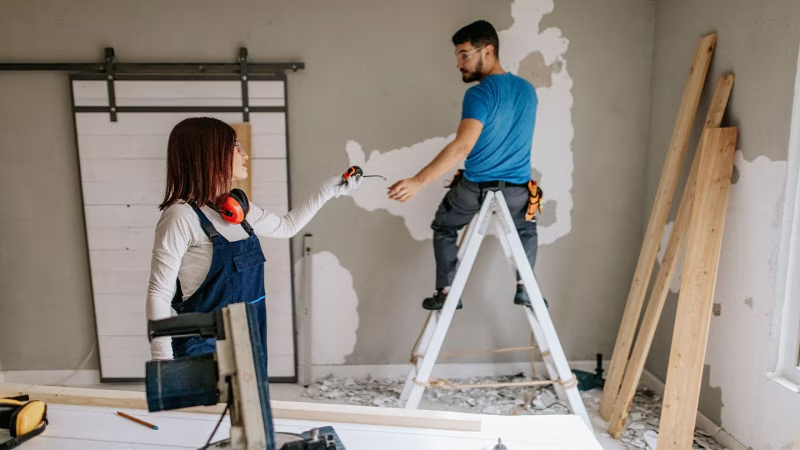
Purchasing homes that need plumbing repairs, air conditioning work, and cosmetic updates can be an excellent investment opportunity when handled correctly. These properties sell at prices below market value, which generates instant equity potential. The process of buying fixer-upper properties requires strategic planning, negotiation skills, and a complete understanding of financing options. The following guide provides you with a comprehensive system to acquire and restore fixer-upper properties.
Note: We are a quality mortgage brokerage firm in South Florida that provides great, competitive rates with flexible types of loan packages. Need a Mortgage broker click here.
Ten Critical Considerations Before You Buy
1. Get a Thorough Professional Inspection
Home inspections are essential for properties with known problems. The inspection process should include a professional who will examine plumbing systems, HVAC units, electrical systems, and structural components. The appearance of minor cosmetic damage might conceal major problems such as water damage and foundation issues. The inspection report needs to contain complete details about every problem found.
2. Obtain Multiple Contractor Estimates
Before making an offer, you should obtain at least three written estimates from different contractors for all major repair work. The cost of plumbing and AC repairs will differ substantially based on whether you need basic repairs or complete system replacements. The financial estimates you calculate will function as vital negotiation tools to establish if the proposed deal delivers adequate monetary value.
3. Calculate Your True All-In Cost
The total cost of ownership includes the home price, repair expenses, closing fees, and a twenty percent contingency for unexpected problems. You should compare the total cost of your purchase to prices of comparable move-in ready homes. Your total investment should not exceed the prices of comparable homes that need no repairs.
4. Assess the Scope of Plumbing Issues
The extent of plumbing problems ranges from simple faucet leaks to complete pipe replacement needs. You need to establish whether the problems exist independently or affect the entire system. The cost of replacing all plumbing in a house reaches between $15,000 and $25,000, but fixing specific problem areas will only cost between $1,000 and $3,000.
5. Evaluate AC System Viability
Florida’s hot climate demands that air conditioning systems be operational at all times. The evaluation of your current AC system needs to establish whether it requires standard maintenance or complete replacement. The installation price for a new central air conditioning system falls between $5,000 and $15,000 depending on house size and energy efficiency level. A HVAC technician should evaluate the remaining operational life of your system.
6. Distinguish Cosmetic from Structural
The cost of cosmetic repairs, including painting, flooring, and fixture installation, remains affordable while delivering substantial value to the property. The cost of structural repairs exceeds standard repair costs because these repairs require sophisticated work methods. You must confirm that the issues stem from cosmetic problems rather than indicating more serious problems like foundation damage or water penetration.
7. Understand Your DIY Limitations
You should identify which home improvement tasks you can perform independently and which require professional licenses. The process of obtaining permits is necessary for plumbing, electrical, and HVAC work because these tasks require professional installation. The DIY-friendly nature of cosmetic updates enables you to save thousands of dollars in labor expenses.
8. Research Permit Requirements
The process of obtaining permits is necessary for most home repairs because plumbing, electrical, and HVAC work requires authorization. Homeowners who perform unpermitted work face two major problems: it creates selling difficulties and might result in insurance policy cancellation. Your budget needs to account for permit costs together with the time needed for inspections.
9. Consider Your Timeline and Carrying Costs
Do you plan to stay in the house during construction, or will you need to find alternative housing? Your mortgage payments, insurance premiums, utility bills, and property tax obligations should be calculated during the renovation period. The duration of your renovation project will determine how much money you need for ongoing expenses.
10. Plan Your Exit Strategy
Your investment strategy needs to be established at the start of your purchase because it will determine your exit plan. Your renovation budget and quality standards will depend on your planned exit strategy. The selection of rental property finishes needs to focus on durable materials that protect against tenant damage while keeping rental prices at market value.
Note: Need fast and reliable heat and ac service near me residents trust? Call City ACS in Hollywood Florida today for expert service, affordable rates, and same-day solutions to keep your home cool and comfortable!
Mastering the Negotiation
Your inspection reports and contractor estimates function as vital negotiation tools that help you achieve successful bargaining results. The negotiation process should begin with a request to lower the price by 100 to 120 percent of the estimated repair costs. The premium you request accounts for protecting your time, managing risks, and covering unexpected repair costs.
Present your documentation professionally. The inspection report should include all detected problems, which you should highlight through copies of contractor estimates. Sellers become more open to negotiations after they receive actual proof of property problems.
Homebuyers can ask for repair credits at closing instead of using them to reduce their purchase price. This method enables you to maintain the original purchase price for appraisal purposes while obtaining funds to perform repairs. The closing-based repair credit method provides sellers with benefits because it has less impact on their net proceeds.
You should request inspection periods that extend beyond ten days to ensure sufficient time for contractor scheduling and cost confirmation. The standard ten-day inspection period fails to provide sufficient time for obtaining multiple repair estimates when working on complex projects.
You should be prepared to walk away when the financial terms do not match your expectations. Emotional attachment to a property can drive people to overpay for a house. New investment opportunities will always appear in the market.
Financing Options for Fixer-Uppers
The following mortgage programs exist to help homebuyers acquire properties that need repairs:
The FHA 203(k) Rehabilitation Loan enables homebuyers to obtain financing for both property acquisition and renovation expenses through a single mortgage loan. The program offers borrowers excellent advantages when they need to perform moderate repairs and cosmetic work. The program provides home financing up to 110% of property value after repairs, while borrowers need to pay only a 3.5% down payment.
The Fannie Mae HomeStyle Renovation Loan offers conventional financing through a program that provides benefits to borrowers who maintain excellent credit scores. The loan program offers funding to homebuyers who need to purchase properties at 75% or less of their post-repair value for both personal homes and investment properties.
The VA Renovation Loan provides veterans with options to buy and renovate their homes without needing any down payment.
Hard Money and Private Loans provide funding to investors who need to perform fast property renovations before they can refinance or sell their properties. These loans provide flexible payment terms but charge higher interest rates, which result in shorter loan durations.
Home Equity Loans and Personal Loans serve as additional funding sources when you have other financial assets. Homebuyers who obtain conventional financing can use home equity loans or personal loans to fund their renovation expenses after purchasing their house.
Launching Your Successfully Renovated Property
Your property launch strategy depends on your investment goals after completing all necessary repairs. For sales, your property needs professional staging and photography services to showcase your renovation work. The selling price needs to reflect current market values together with prices from recent sales of similar properties.
For rental properties, select materials that can endure tenant wear while maintaining rental prices at market value. The tenant selection process needs to be thorough, while you maintain all records of property renovations.
The equity growth from your fixer-upper project will allow you to transform a neglected house into your perfect residence while enjoying the financial benefits. The process of buying fixer-upper homes demands more work than standard home purchasing, yet offers financial advantages together with personal fulfillment. Your ability to turn undervalued properties into profitable investments or dream homes depends on your ability to plan, negotiate, and obtain suitable funding.
Note: The Plumber Alexandria va is being provided by Virginia’s Best Plumber. The company provides both commercial and residential plumbing services.